
A Problem Built Into the Lot, Not the Equipment
Newer homes are designed with a spot for the outdoor condenser already worked into the site plan, usually with clearance, drainage, and screening considered before the concrete is even poured. Older lots throughout Studio City, Sherman Oaks, and Toluca Lake were laid out decades before central air was common, which means the condenser almost always got placed wherever there happened to be room once the system was added, not where it actually belonged. That single fact explains most of the placement problems we see on older properties, and understanding it changes how you think about fixing them.
This covers why placement issues are so common on lots that predate central air, what genuinely helps a condenser that is stuck in a less than ideal spot, and where well-meaning fixes make the problem worse instead of better.
Why the "Available Spot" Is Rarely the Right Spot
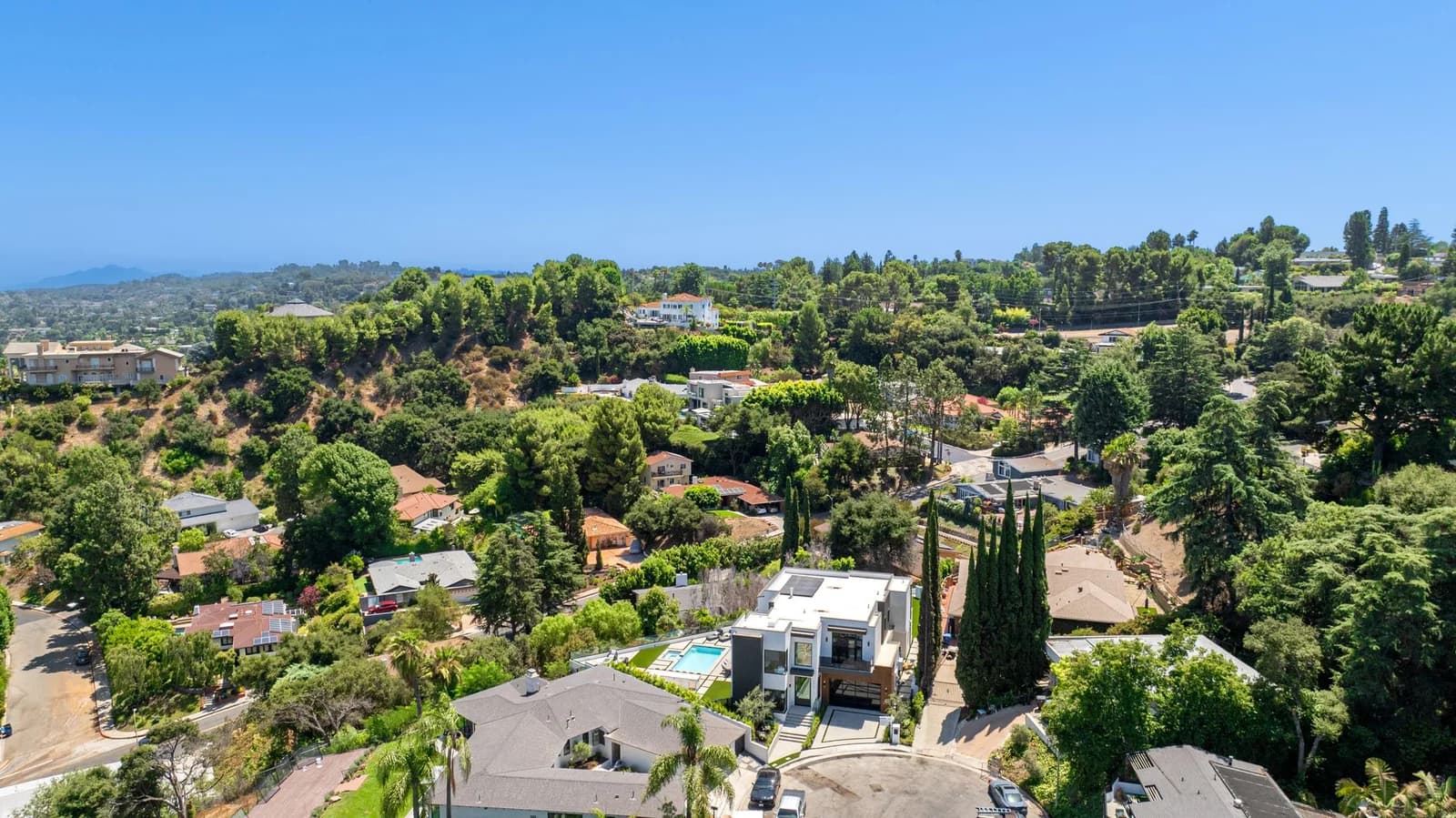
When a condenser gets added to a home built without one in mind, the installer is usually working with whatever side yard space, hillside terrace, or narrow gap between the house and the property line happens to be open. That space was never evaluated for drainage, airflow, or sun exposure the way a purpose-built utility area would be. On the flats south of Ventura Boulevard, that often means a unit tucked against a fence with barely any clearance. On hillside lots off Fryman Canyon, it often means a unit on a sloped side yard where a level, properly built pad was never part of the original site work.
Why a Rushed Pad Causes Problems Years Later
A pad poured after the fact, without the same planning that goes into new construction, is more likely to settle unevenly over time, especially on the sloped lots common in the hillside sections of our service area. As the pad shifts, the unit shifts with it, and that ongoing movement puts strain on the refrigerant line connections that were never designed to flex. This is one of the more common findings we run into on older hillside properties: a unit that has slowly tilted or sunk on one side over years, developing a slow leak at a fitting that was originally installed level and secure.

Why Screening Goes Wrong So Often on These Lots
Condo and townhome communities near the Toluca Lake border, along with plenty of single-family lots where a neighbor's window sits close to the unit, often call for some kind of screening. On an older lot with limited side yard width, the instinct is to build the screen tight against the unit simply because there is no extra room to work with. That instinct is exactly backward. A louvered screen or lattice fence needs real clearance, generally at least 24 inches on all sides, to let air move freely while still blocking the view. A screen built snug against the unit because the lot does not have room for anything else suffocates the coil the same way a solid enclosure does, and the unit works harder to cool itself before it ever starts cooling the house.
Why Shade Helps and Enclosure Hurts
Keeping direct afternoon sun off the unit during the peak heat of the day, as long as air can still move freely around the coil, is a genuine benefit on lots that face west and take on the harshest exposure. The distinction that matters is airflow. Dense shrubs planted close against the unit, or a solid fence built too near because that is what fit on a tight older lot, trap heat around the coil instead of shading it, and the unit ends up working harder than if it had no shade at all.
What Actually Helps on a Tight or Sloped Lot
A Properly Leveled Pad, Even on a Retrofit Install
Even when a condenser is being added to an existing lot rather than a new one, the pad still deserves the same care as new construction: level, elevated above grade for drainage, and built to handle the specific slope of that yard rather than a generic flat pad dropped onto uneven ground.
Real Clearance, Even When Space Is Tight
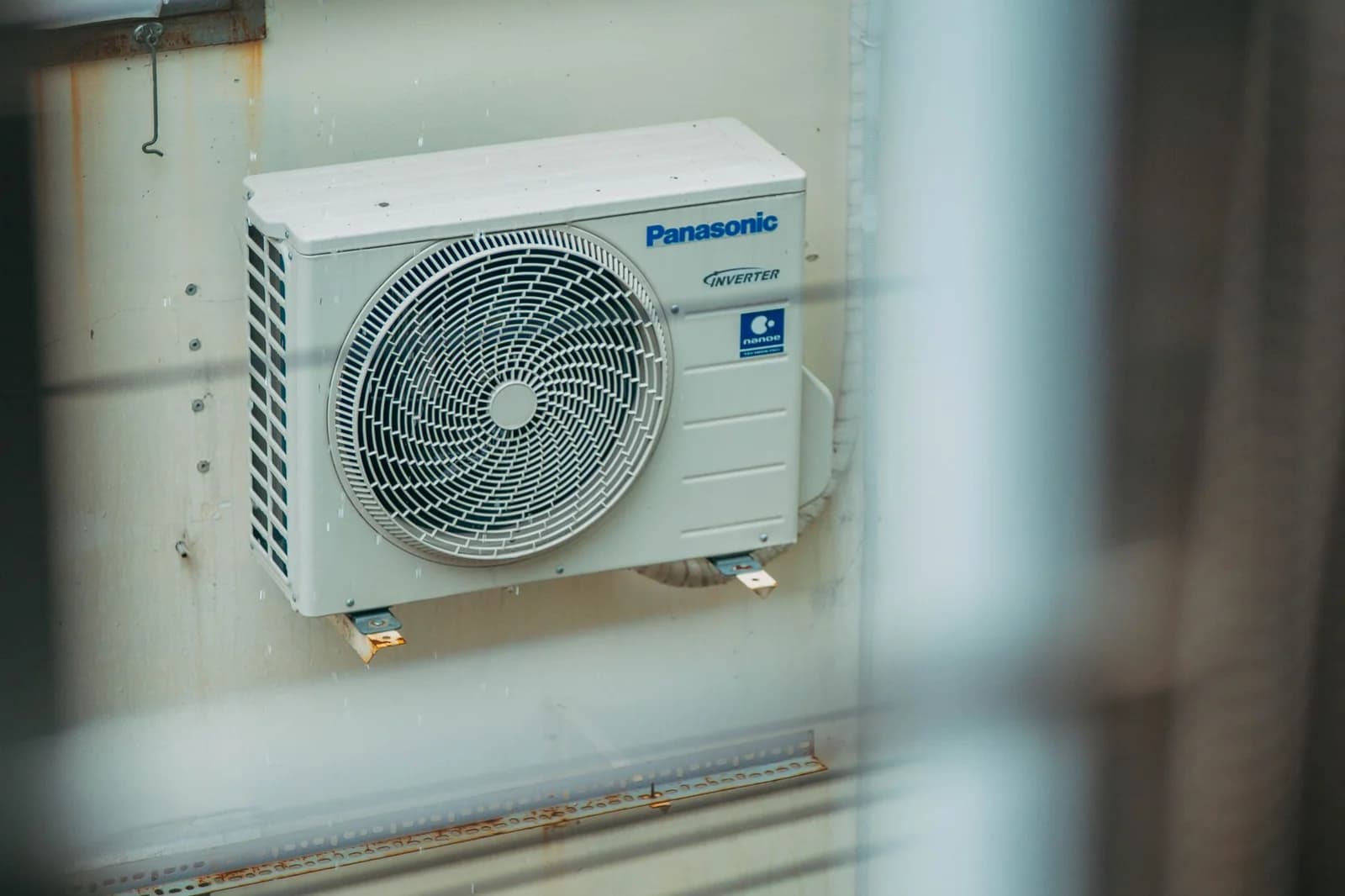
Two feet of clearance on all sides and five feet above the unit is the standard we work toward, even on a lot where that feels like a lot to ask. Keeping that space free of storage, patio furniture, and overgrown landscaping is a free change that does more for the unit's life than almost any accessory.
Debris Guards Instead of Full Covers
Older lots throughout the Valley tend to have more mature trees than newer developments, which means more falling leaves and seed pods landing directly in the coil. A mesh top guard helps with that without restricting airflow. A full fitted cover left on during operation, which is a common mistake on lots where the unit sits exposed and homeowners want to protect it, traps heat and does the opposite of what is intended.
Why HOA and Property Line Rules Add Another Layer
Condo and townhome communities near the Toluca Lake border, and plenty of single-family lots with a narrow side yard shared close to a neighbor's window, often come with rules about condenser placement, screening height, or noise that were written without any particular retrofit lot in mind. On an older property where the available space is already limited, those rules can rule out the obvious spot and push the unit toward the second or third best option instead. It is worth checking your HOA guidelines, or asking us to check them with you, before installing new screening or relocating a unit, since materials and heights sometimes need approval, and finding that out after the work is done is a frustrating way to learn it.
Why an Assessment Beats Guessing on an Odd-Shaped Lot
Every retrofit lot is a little different, which is exactly why a generic placement checklist does not work as well on an older property as it does on a new one. A side yard that is a little wider than the neighbor's, a hillside terrace with a different sun angle, a fence line that shifted slightly over decades of small repairs, all of it changes what the right placement actually looks like. Rather than guessing at what should work, we walk the specific lot with you, note what is actually possible given the space, and recommend the option that fits, rather than a one size fits all answer copied from a newer neighborhood where every lot looks roughly the same.
When Relocating the Unit Is Worth Considering
Sometimes the honest answer on an older lot is that the original placement was simply a mistake, made under the constraints of a retrofit install decades ago, and the better fix is moving the unit a few feet rather than trying to engineer around a bad spot. This comes up often enough on hillside properties and tight side yards that it is worth asking about during any service visit, not just when the unit is already failing.
What We Look At During a Placement Visit
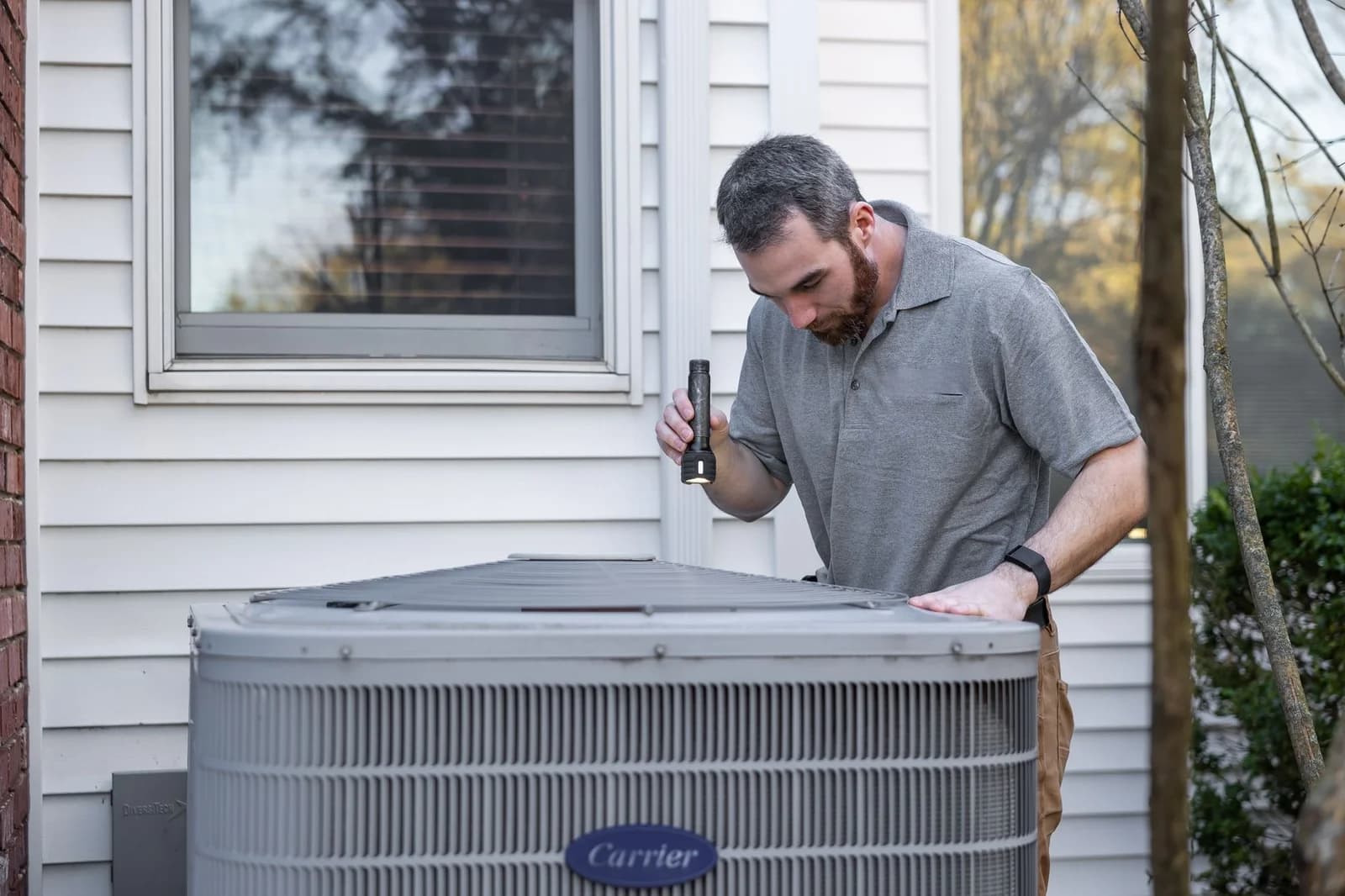
When we assess an older lot's condenser placement, we look at clearance on all sides, how the pad has held up to whatever slope the yard has, sun exposure through the day, nearby trees and vegetation, and how close the unit sits to windows where noise becomes a real complaint. From there we can tell you honestly whether the current spot is helping the system, working against it, or somewhere in between.
Schedule a Placement Assessment
If your outdoor unit sits crammed against a fence, on a pad that has clearly shifted, or under a tree that drops debris straight into the coil, we can walk the lot with you and recommend a fix that actually respects the space you have to work with, whether your home sits in the flats or up on a hillside street. Every recommendation comes with a written estimate before any work begins. Studio AC Co. can be reached at (877) 704-7652 to set up a visit anywhere in Studio City, Sherman Oaks, Toluca Lake, or Valley Village.
Need Professional HVAC Service?
Our HVAC-experienced technicians are ready to help with all your AC and heating needs. Contact Studio AC Co. today for expert service throughout the Sherman Oaks, Toluca Lake, and Valley Village service area.