

Why Age Changes What an HVAC Inspection Is Looking For
An HVAC inspection on a home built in 2015 and an HVAC inspection on a home built in 1958 are not really the same inspection, even though the checklist looks similar on paper. The newer home was designed around its ductwork from the start. The older home almost certainly was not. Central air conditioning did not become standard in Los Angeles area homes until well after most of the housing stock in Studio City, Sherman Oaks, and Toluca Lake was already built, which means the system running in an older home today is very likely something added later, sometimes decades later, and squeezed into a structure that was never planned around it. Understanding that history is the difference between an inspection that just checks boxes and one that actually tells you something useful about the house.
This matters whether you are buying, selling, or simply trying to understand why your own system behaves the way it does. We explain the why behind each finding, not just the finding itself, because a homeowner who understands the reasoning makes better decisions about repair, retrofit, or replacement.
Reading a Home's Construction Era Before We Touch the Equipment
Before a technician opens a single access panel, the year a home was built tells us most of what to expect. Flats south of Ventura Boulevard are largely 1950s and 60s ranch construction, built for natural ventilation and a mild climate, with any ductwork added afterward through crawlspaces that were never sized for it. Hillside streets off Fryman Canyon and Wrightwood mix original construction with later additions, and those additions often have their own separate, retrofit equipment bolted onto a system that was designed for a smaller footprint. Knowing which situation we are walking into changes what we look for and what questions we ask before opening anything up.
Why Retrofit Ductwork Fails Differently Than Original Ductwork
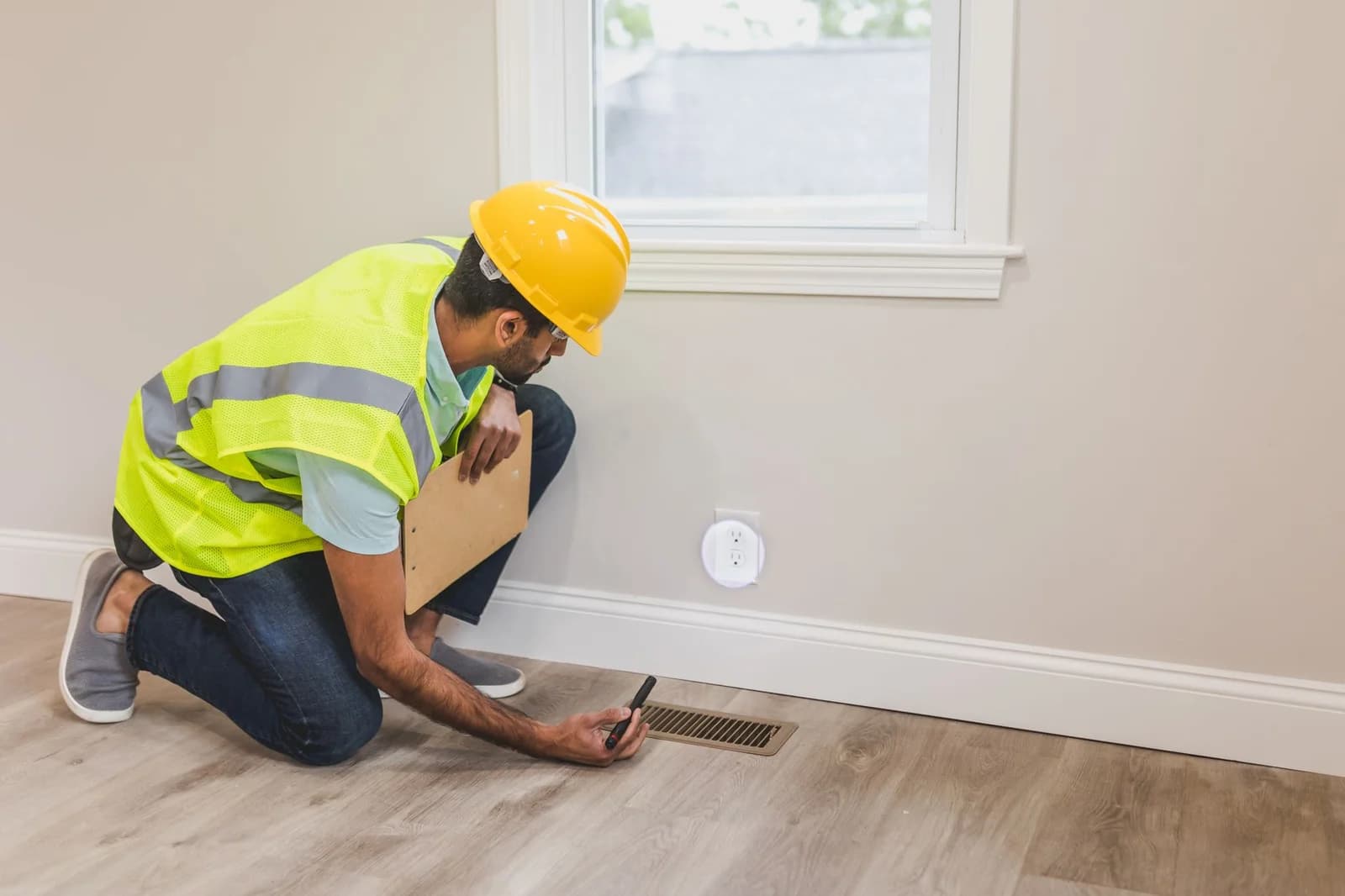
When ductwork gets added to a home years after it was built, it has to work around the existing framing, plumbing, and electrical instead of being planned alongside them. That usually means longer runs, tighter bends, and sections routed through spaces that were never meant to hold a duct. Over the following decades, that ductwork settles, shifts with the house, and develops leaks and disconnects at the joints where it had to compromise around something else. This is why we spend real time on ductwork condition in an older home inspection, checking for crushed flex sections, degraded insulation, and returns that were undersized because there simply was not room for a properly sized one when the system went in.
What We Check on the Outdoor Equipment
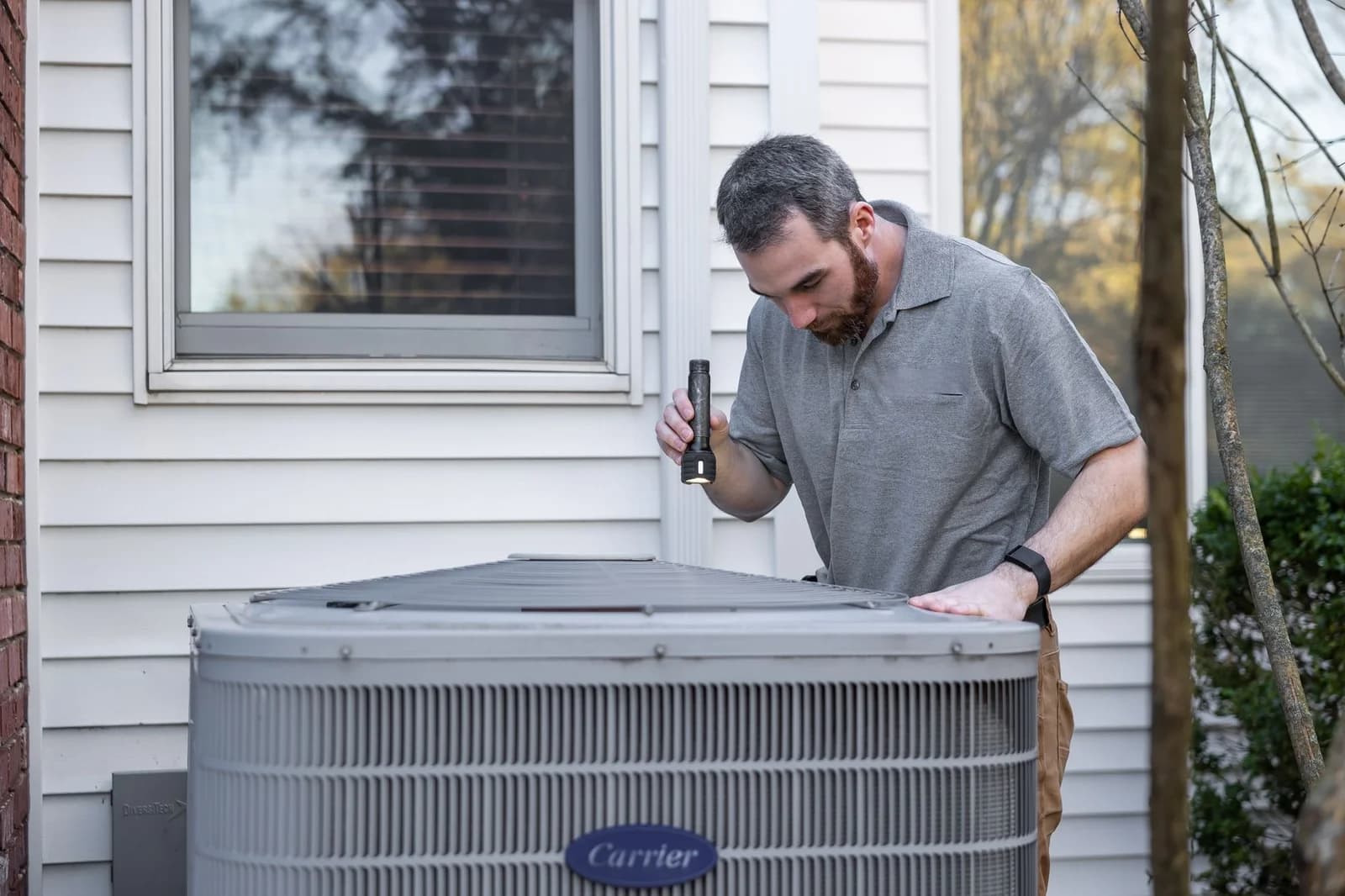
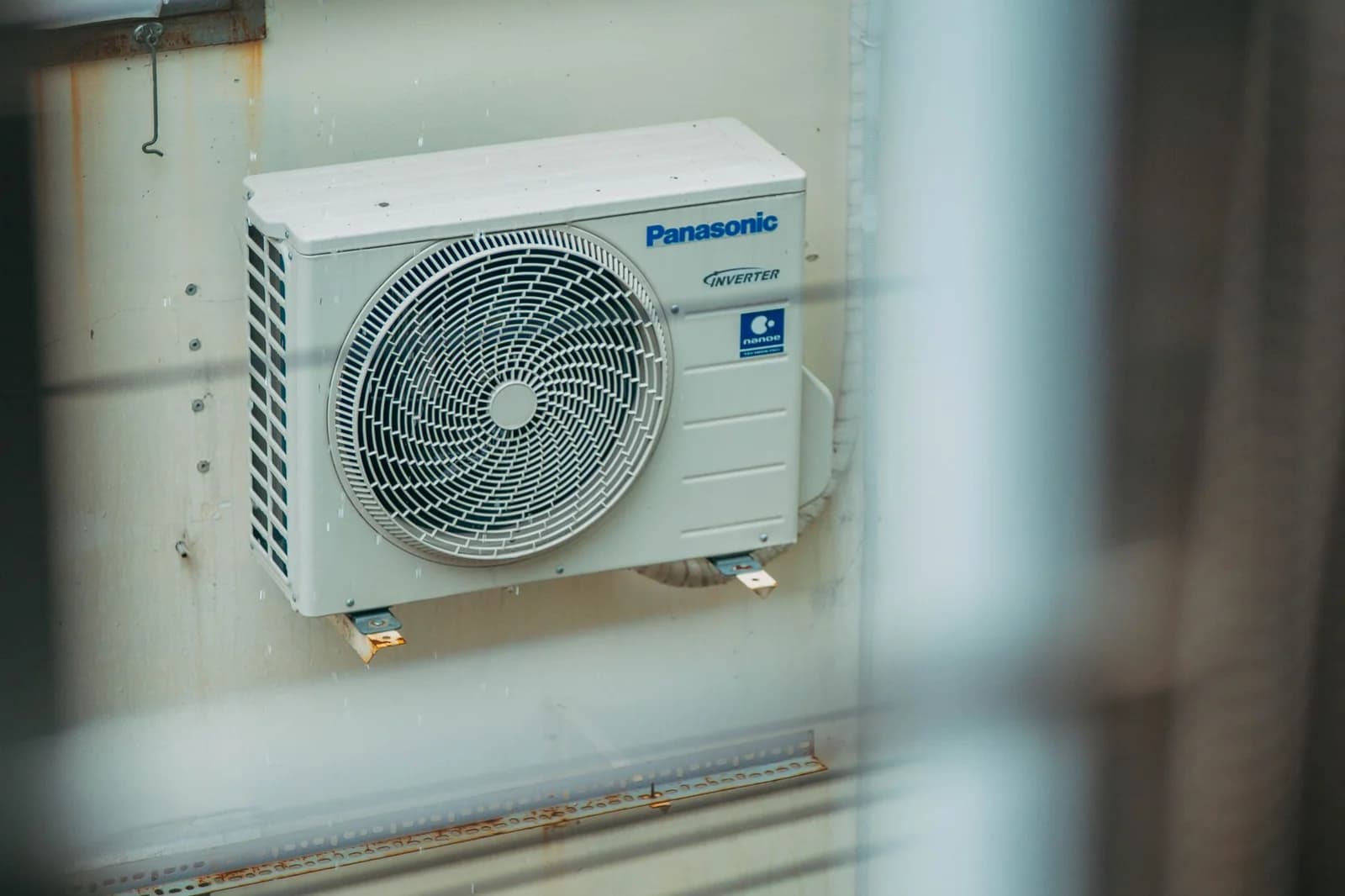
The condenser gets the same close look regardless of the home's age, but what we are watching for shifts. On an older lot, the unit is frequently sitting on a pad that was poured after the fact, sometimes on a slope that was never properly leveled, in whatever side yard space happened to be available. We check the pad for settling and unevenness, since a condenser that has shifted over years puts ongoing strain on the refrigerant line connections. We look at the data plate to understand not just the unit's age but whether it matches the age of the ductwork it is tied to, since it is common in older homes for the outdoor unit to have been replaced once or twice while the underlying ducts stayed the same.
The Indoor Side: Furnace, Air Handler, and Safety Checks
Inside, we inspect the heat exchanger closely on any gas furnace, since a cracked heat exchanger is the single biggest safety concern regardless of how old the home is, and we run a carbon monoxide test as a matter of course. In homes with attic-mounted air handlers, common where additions went in above Fryman Canyon or in newer construction closer to Toluca Lake, we check the condensate drain and pan carefully, because a clogged line in an attic unit is a real water damage risk to the ceiling below, and attic access on an older addition is often tighter than it should be. We also check whether the blower and coil were ever matched to the ductwork they serve, since a system installed to fit an existing duct run, rather than the other way around, is sometimes undersized for the rooms it is trying to condition.
The Refrigerant Question, and Why It Matters More in Older Systems
One of the most consequential findings on an older home inspection is simply what refrigerant the system runs on. R-22 was standard for decades, and production of it stopped years ago under federal phase-out rules. A home that still runs an R-22 system, which shows up more often in older homes that have not had a full replacement, is working with a refrigerant supply that keeps shrinking and getting more expensive. Systems installed more recently generally run on R-410A, and the newest equipment coming onto the market is transitioning to R-454B under updated federal rules. Knowing which refrigerant is in the system tells you a lot about how close it is to the end of its practical life, independent of how well it happens to be running today.
Why We Ask About Past Renovations Before We Start
A home that has been added onto, remodeled, or had its main system replaced at some point carries all of that history into the current inspection, and a homeowner who can tell us what changed and when saves real time getting to an accurate picture. If nobody currently living in the house knows that history, permit records from the Los Angeles Department of Building and Safety often fill in the gaps, showing when ductwork, an addition, or a system replacement was actually permitted, which tells us as much about what to expect as the visual inspection itself.
What This Means at the Negotiating Table
Sellers in California have a legal obligation to disclose material defects they know about, and a heating or cooling system with a genuine problem is squarely the kind of thing that obligation covers. For a seller, an inspection ahead of listing gives you documentation either way: something to hand a skeptical buyer's agent if the system is sound, or a clear basis for pricing or offering a credit if it needs work. For a buyer looking at an older home, ask for service records and, if the system was ever replaced, the permit history from the Los Angeles Department of Building and Safety. Pulled permits tell you the installation went through a code review at the time, covering energy standards among other things, before anyone signed off on it. A system swapped out without ever pulling a permit is a pattern we run into often enough across older Valley homes, and it is worth asking about directly rather than taking the equipment's condition at face value.
How Long This Takes, and What You Get
A full inspection of an older home's HVAC system typically runs 60 to 90 minutes, sometimes longer if retrofit ductwork needs a closer look in a crawlspace or attic. You get a written report covering the condition of each component, an honest read on the ductwork's fit for the home, and a priority ranking for anything that needs attention, so minor items do not get inflated into scare tactics and real problems do not get glossed over.
Schedule an Inspection Built Around Your Home's Actual Age
Whether you are dealing with original crawlspace ductwork in the flats, a hillside addition with its own separate system, or a system whose history you simply do not know, we approach the inspection with your home's construction era in mind from the start. Our crews work Studio City, Sherman Oaks, Toluca Lake, and Valley Village routinely enough to recognize this housing stock on sight, and every report explains not just what we found, but why a home of this age tends to show that particular problem in the first place. Call (877) 704-7652 when you are ready to schedule a visit.
Need Professional HVAC Service?
Our HVAC-experienced technicians are ready to help with all your AC and heating needs. Contact Studio AC Co. today for expert service throughout the Sherman Oaks, Toluca Lake, and Valley Village service area.