Your furnace in Studio City is cold, noisy or failing a repair, and you are asking what a new one really involves. Furnace installation here is a short, planned job once the house has been measured, and this page walks through each step so you know the plan before install day.
Studio AC Co. plans every heating change-out the same way: survey first, equipment second, quote in writing before work starts.
The survey and load calculation
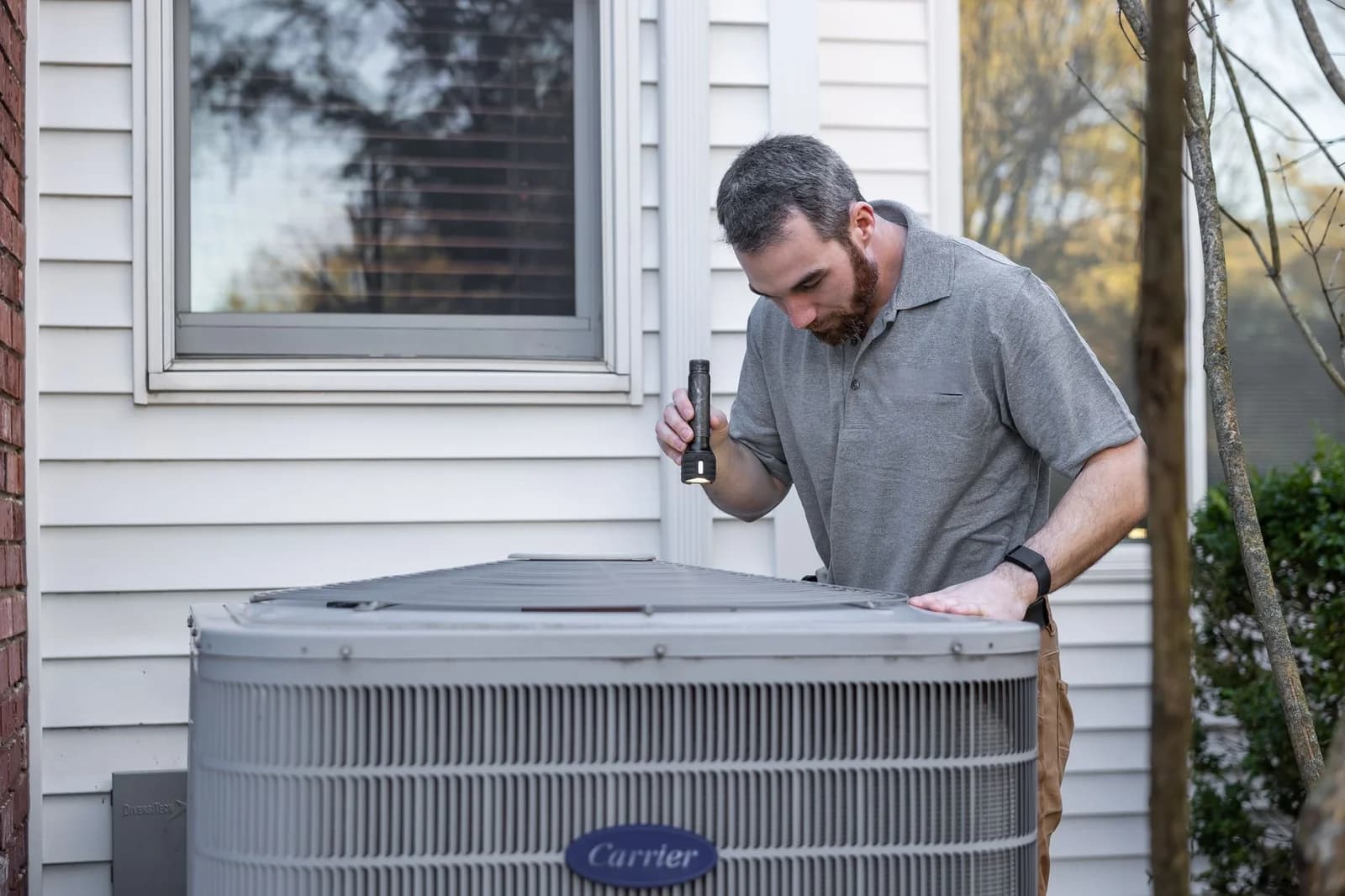
The survey comes before any model number. A tech walks the house and looks at the rooms, the windows, the attic, the existing ducts and the spot where the furnace sits today. Then the heating load is worked out room by room.
Why bother? Because the old furnace size is only a guess left by whoever installed it. Rooms get added. Windows get swapped. Insulation changes. A furnace sized for the house you had is often wrong for the house you have now.
Here is what the survey checks:
- - Floor area and the number of rooms the system has to serve
- Window and door condition
- Attic and wall insulation you can see
- Duct size, condition and routing
- The closet, attic or crawl space where the unit lives
- Gas line, vent path and electrical supply at the equipment
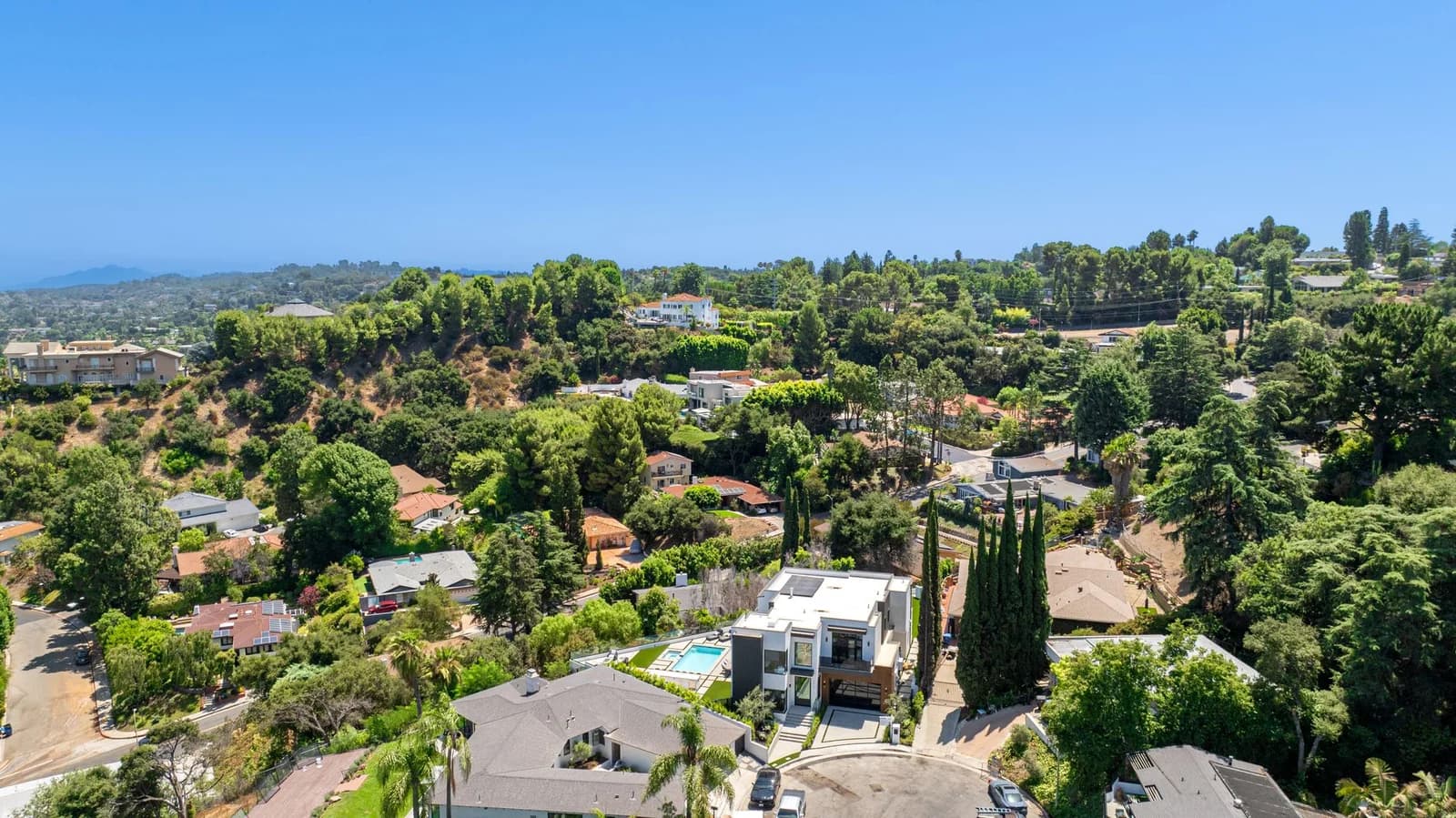
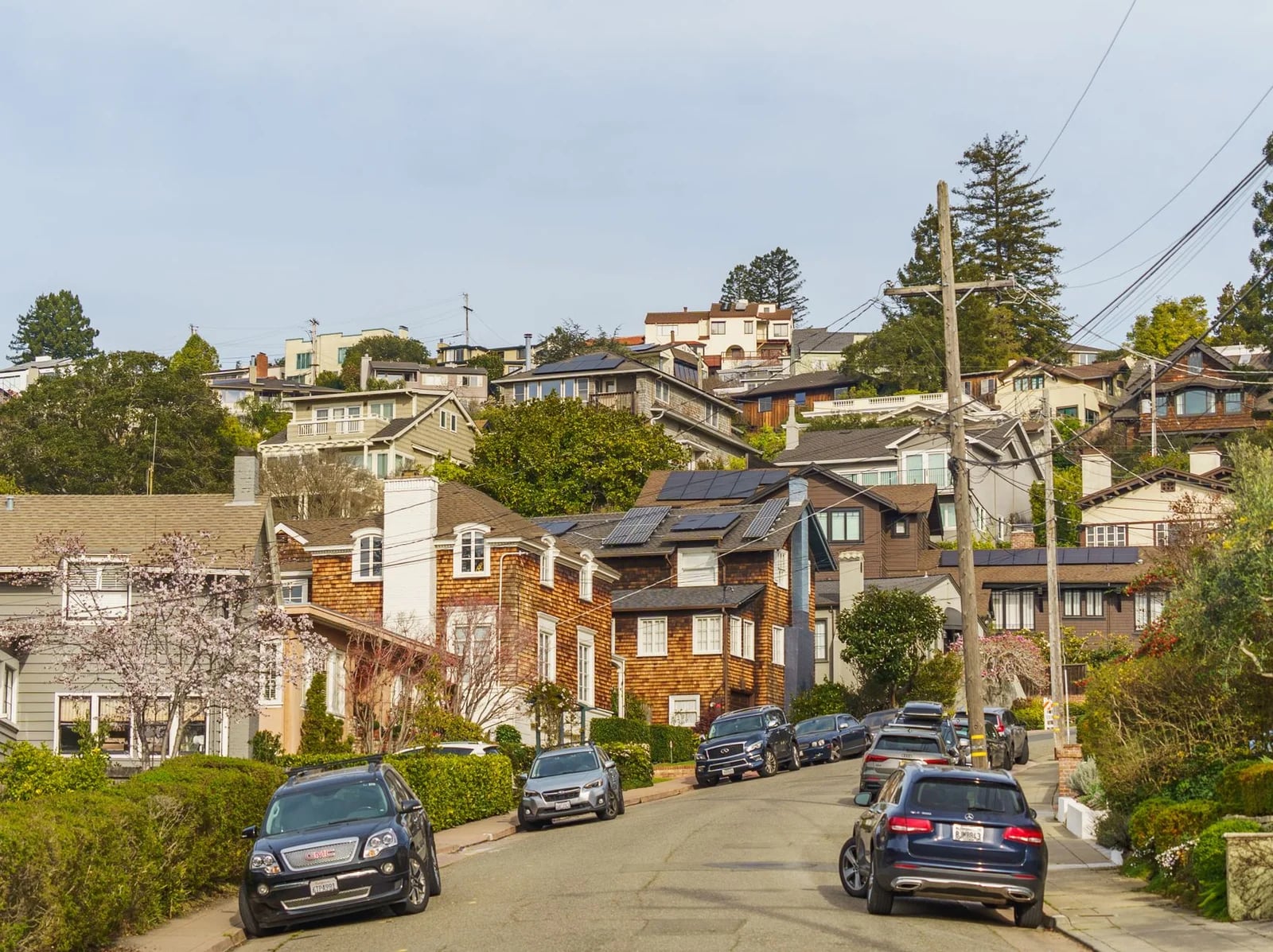
On hillside lots north of Ventura Boulevard, access matters too. A narrow stair or a tight attic hatch changes how the unit gets in and who carries it.
Choosing efficiency and stages
Once the load is known, you pick the furnace. Two choices drive most of the decision: efficiency and stages.
Efficiency is shown as a rating on the unit. Higher efficiency models pull more heat out of the gas and cost more up front. Some need a drain for condensate and a different vent. Your tech tells you which fits the space you have.
Stages describe how the furnace fires. A single-stage unit runs at one output. A two-stage or modulating unit can run lower most of the time and step up when the house needs it. That tends to feel quieter and more even, and it suits homes with a few rooms that always run cold.
Price follows those choices. Most heating installations in Studio City run $4,800 to $9,500 depending on whether it is a like-for-like furnace swap or a job that also touches venting, ducts or the gas line. The quote you get names the model, the stages, and everything else in the scope.
If you are not sure whether to replace or repair, our heating repair team will look at the old unit and tell you plainly which makes sense. A cracked heat exchanger means full replacement, typically $3,200 to $5,800 installed. A failed igniter does not.
Install day: removal, set, venting, gas, electrical
Install day follows a fixed order. Knowing it helps you plan the day.
- - The tech protects the floor and the path to the unit
- Gas is shut off at the appliance and the old furnace is disconnected
- The old unit comes out and leaves with the crew
- The new furnace is set, leveled and connected to the plenums
- The vent is run or reused, depending on the model
- The gas line is connected and tested for leaks
- The electrical supply and thermostat wiring are connected
If the ducts are in poor shape, this is when it shows. Leaky or undersized ducts hold back a new furnace, so we look at them as part of the job. Our ductwork services cover sealing and repair when the survey calls for it.
Gas in Studio City comes from SoCalGas. If you ever smell gas, leave the house first, then call SoCalGas or 911 from outside. California law also requires carbon monoxide alarms in homes with a fuel-burning appliance, so expect your tech to check that yours are in place.
LADBS permit and inspection
Replacing a furnace in California is permitted work. In Studio City the permit comes from LADBS, the Los Angeles Department of Building and Safety. We arrange it and the inspection as part of the job, so you do not stand in a counter line.
Title 24 Part 6 is the state energy standard. Depending on the scope, a change-out or duct work can require duct sealing and a duct leakage test, checked by a third-party HERS rater who is not the installer. We tell you at the quote stage whether your job triggers it, so the test is planned from the start.
Start-up and handover
After the install, the tech starts the furnace and watches it through a full cycle. They check the flame, the vent draw, the temperature rise across the unit and the airflow at the registers. Then the thermostat is set and tested.
At handover you get a walk-through of the new system. You see where the filter lives, how to change it, where the shutoff is and what the thermostat does. The inspector signs off the permit, and the job is closed.
FAQ
How long does furnace installation take?
Most like-for-like swaps are a single working day. Jobs that add venting, ductwork or a gas line change take longer. Your written quote states the scope so you know which kind of job you have.
Do I need a permit for a new furnace in Studio City?
Yes. Replacing a furnace is permitted work, and LADBS issues the permit for Studio City homes. We handle the paperwork and book the inspection.
Is a bigger furnace better?
No. An oversized furnace short-cycles, which wears parts and leaves uneven rooms. The load calculation sets the size, not the old nameplate.
Can I get a quote before I commit?
Yes. Send the house details and we write the quote before any work starts. It lists the equipment, the scope and the price in plain terms.
Should I replace or repair my old furnace?
It depends on what failed. A small part like an igniter or flame sensor is a repair, $239 to $600. A cracked heat exchanger is not. Our techs tell you straight which side your furnace falls on.
Ready to plan it
If your furnace in Studio City is failing, or you just want a firm plan before winter hits, call (877) 704-7652 and Studio AC Co. will book the survey. Learn more about heating installation before you do.
Need Professional HVAC Service?
Our HVAC-experienced technicians are ready to help with all your AC and heating needs. Contact Studio AC Co. today for expert service throughout the Laurel Canyon, Toluca Lake, Universal City, Sherman Oaks, and Encino service area.